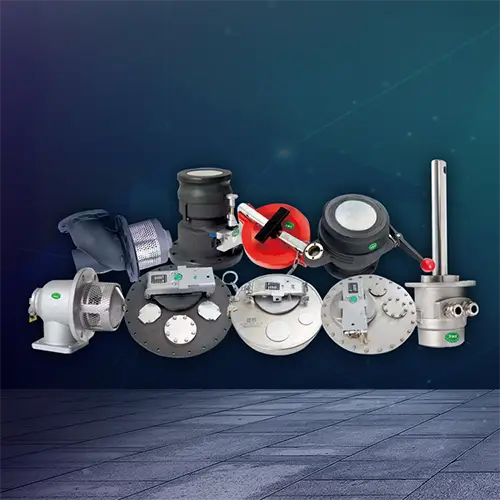

Understanding Bottom Valve Technology: Critical Safety Component for Road Tankers
Bottom valves, also known as emergency valves or internal valves, are among the most critical safety components installed on road tankers transporting petroleum products, chemicals, and other hazardous liquids. Positioned at the lowest point of the tank, these valves serve as the primary shutoff mechanism for product discharge. Understanding their design, operation, and maintenance requirements is essential for fleet operators who prioritize safety and regulatory compliance.
A properly designed bottom valve serves three primary functions. First, it provides reliable flow control during normal loading and unloading operations, allowing operators to start, stop, and regulate product flow precisely. Second, it incorporates a shear section—a deliberately weakened point in the valve body that is designed to break cleanly if the valve is struck during a collision or rollover. When this shear section activates, the internal valve mechanism remains seated and prevents product release, even though the external piping has been severed. Third, many bottom valves include thermal shutoff mechanisms that automatically close the valve when exposed to fire, adding another layer of protection in emergency situations.
DESEINOR manufactures bottom valves in a range of sizes and configurations to suit different tank designs and product types. Our valves are constructed from materials selected for compatibility with a wide range of petroleum products and chemicals, and each unit undergoes rigorous pressure testing before shipment. For fleet operators, we recommend regular inspection of valve seals, linkage mechanisms, and shear sections as part of a comprehensive preventive maintenance program. When selecting replacement bottom valves, operators should verify that the new valve's flow rating, flange configuration, and actuation method match the original equipment specifications.