
Vapor Recovery Systems: Balancing Efficiency and Environmental Compliance
Vapor recovery systems have become essential equipment for modern fuel loading and dispensing operations. These systems capture hydrocarbon vapors that would otherwise be released into the atmosphere during product transfer, helping operators comply with environmental regulations while recovering valuable product that would otherwise be lost. Understanding the different types of vapor recovery technology and their applications is crucial for anyone involved in fuel distribution.
Stage I vapor recovery, also known as vapor balancing, involves capturing vapors displaced from a storage tank during the delivery process and returning them to the delivery vehicle. This is accomplished through a closed-loop system where a vapor return hose connects the tank being filled back to the tanker compartment being emptied. As liquid flows into the storage tank, the displaced vapor flows back into the tanker, creating a balanced system that minimizes emissions without requiring complex mechanical equipment.
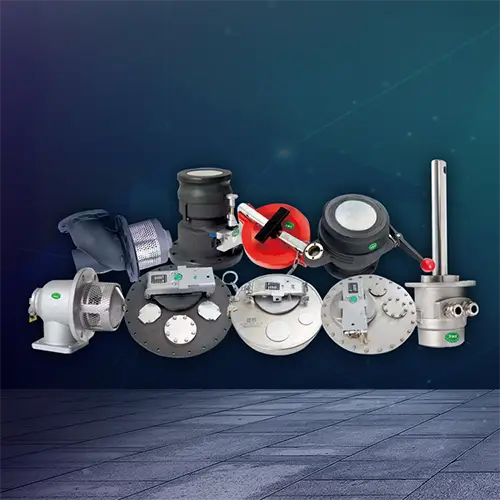
Stage II vapor recovery addresses emissions at the point of vehicle refueling at service stations. When a vehicle's fuel tank is filled, vapors are displaced and must be captured rather than released to the atmosphere. DESEINOR manufactures vapor recovery valves and couplers specifically designed for these applications, featuring sealing technology that ensures efficient vapor capture while maintaining user-friendly operation. Our vapor recovery products are compatible with standard fuel dispensing equipment and are designed to withstand the rigors of daily use in high-volume fueling environments.
For operators implementing or upgrading vapor recovery systems, key considerations include compatibility between components from different manufacturers, proper hose and coupler selection, and regular maintenance of seals and valves. Working with a supplier who understands the complete vapor recovery chain—from tanker components to station equipment—can simplify system design and ensure reliable long-term performance.
PREVIOUS POST
Selecting the Right Fuel Nozzle: Flow Rate, Materials, and Application Considerations
NEXT POST