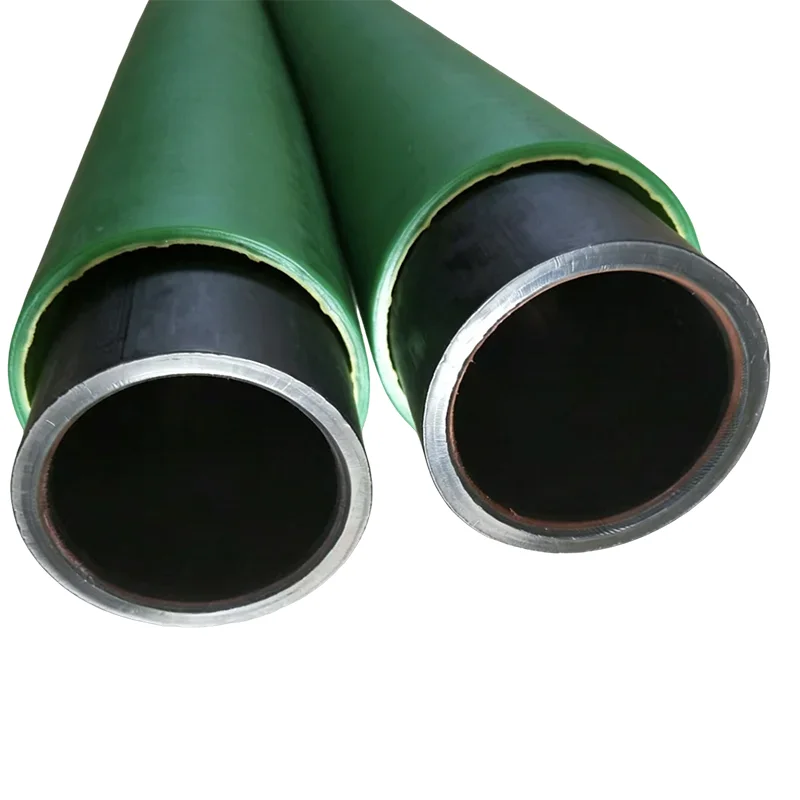
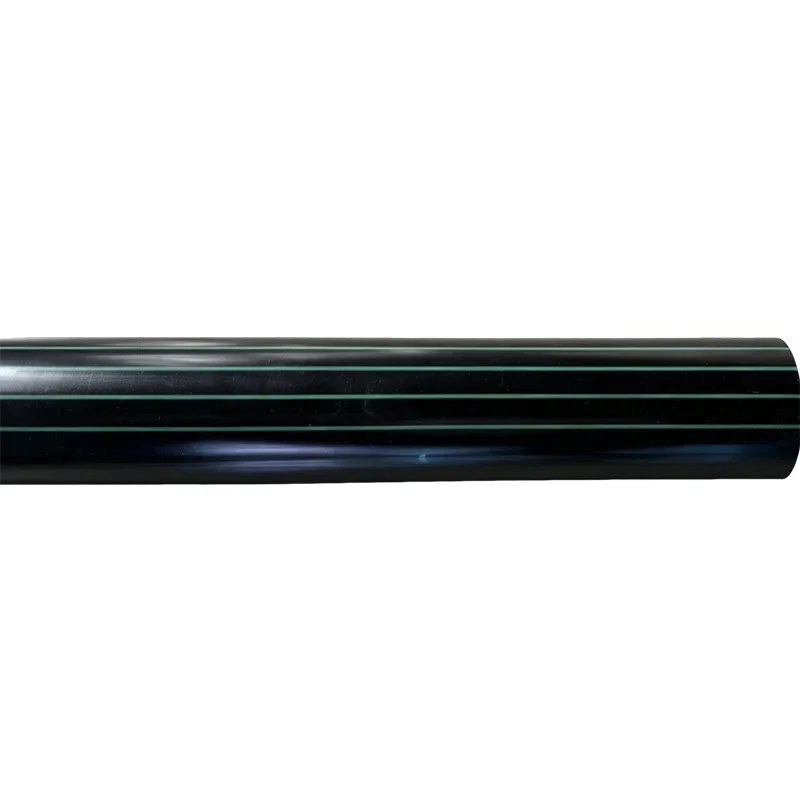
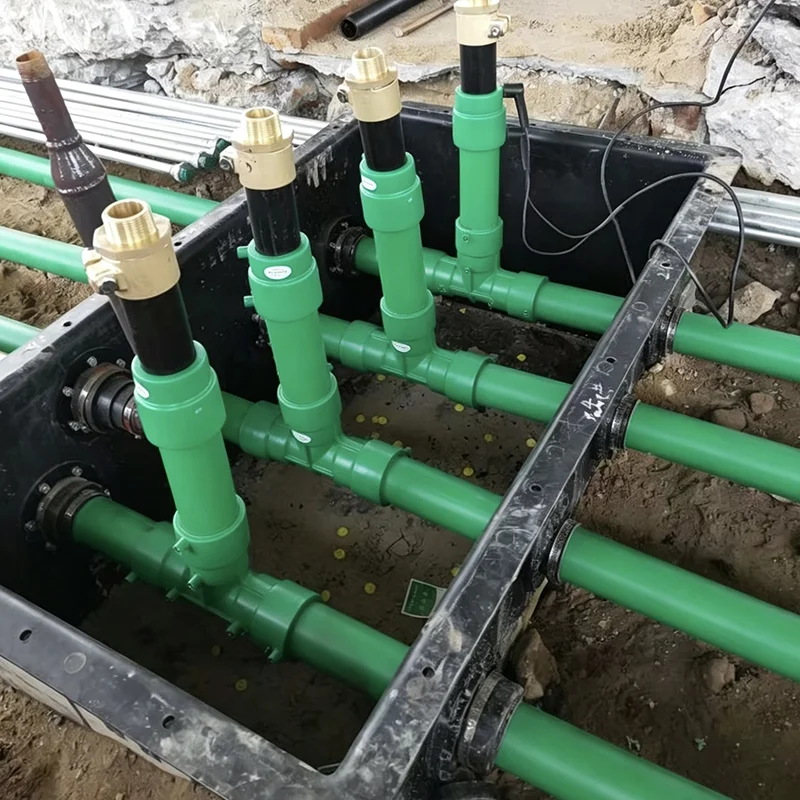
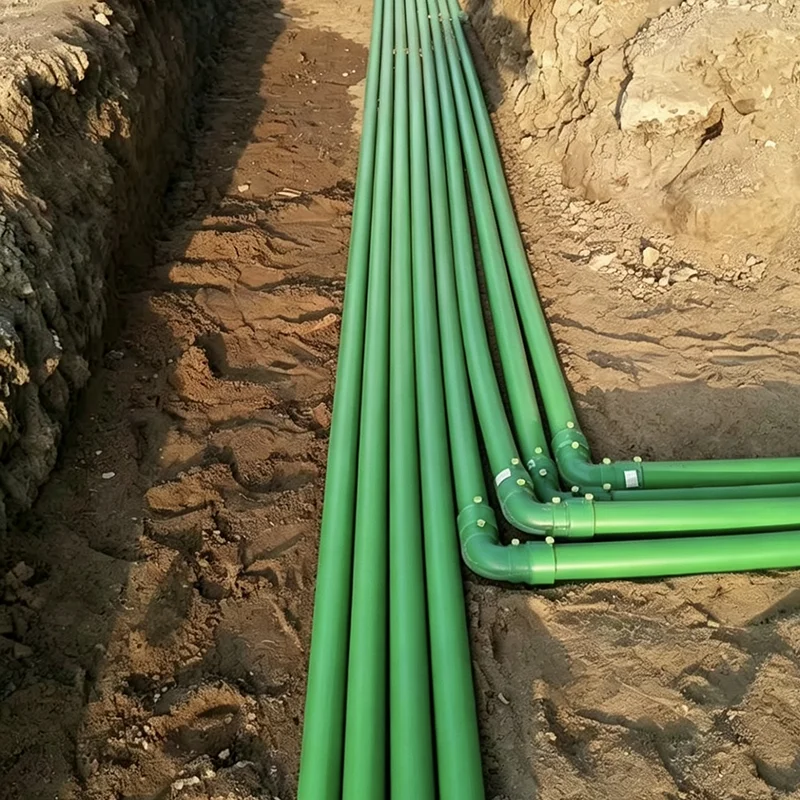
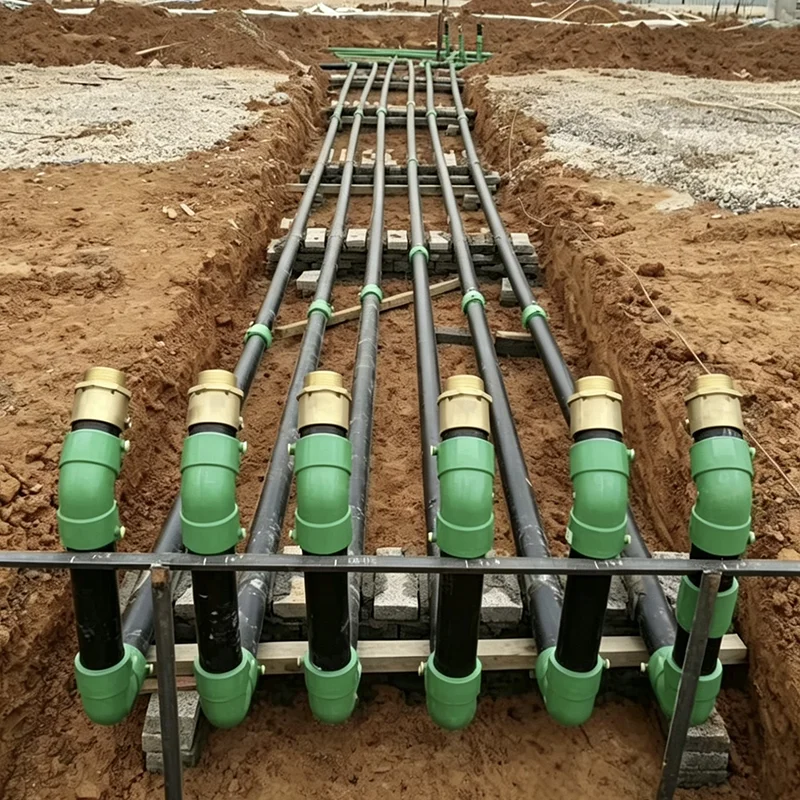
DESEINOR provides a double-wall HDPE pipe built with PE100 construction, an EVOH barrier, and an interstitial leak-detection space for underground fuel, fill, vapor recovery, and vent lines.






Pipe Structure and Materials
Primary fuel-container layer: The inner PE100 layer incorporates an EVOH barrier to limit gasoline vapor permeation and help protect the surrounding soil.
Secondary containment layer: The outer PE100 layer provides a second level of containment. If the primary pipe is damaged, released fuel is retained within the interstitial space rather than entering the surrounding ground.
Interstitial leak-detection space: A continuous space between the two layers can accommodate leak-detection cable or connect to monitoring equipment for ongoing leak detection.
Main Applications
Pressure piping: The HDPE pipe with size Ø75/63 mm is ideal for submersible turbine pump systems, while the Ø65/54 mm pipe is suitable for suction-type fuel dispensers
Fill and vapor recovery piping: Ø110/125 mm pipe can be used for tanker unloading and Stage III vapor recovery systems
Vent piping: For underground storage tank breathing and vent lines
Product Name | HDPE Pipes | Application | Fuel Station Buried Pipes |
Model Number | HDPE | Kind | Fuel Station Accessories |
Material | PE | Nominal Diameter | DN50-125 |
Nominal Pressure | 0.35MPa | Temperature Range | -40℃~+70℃ |
Brand Name | DESEINOR | Approval standards | EN14125 |
Place of Origin | China | Installation Method | Electrofusion Bonding |
Electrostatic conductivity | electrical resistivity < 10¹⁰ Ω·m | Service Life | ≥ 30 Years |
Features
Environmentally friendly: Double-wall construction and the EVOH barrier reduce fuel permeation and provide secondary containment for leaks.
Corrosion resistance and lower maintenance: The polymer construction resists corrosion and does not require the 3PE coating or cathodic protection used with steel pipe, helping reduce lifecycle maintenance requirements.
Safe operation: The HDPE pipe meets antistatic conductivity requirements to help prevent static buildup. Electrofusion joining creates a continuous, leak-tight pipework system with strong resistance to pressure and vibration.
Faster Installation: The pipework can be installed with sand or gravel backfill without a concrete trench, reducing excavation requirements and construction time
Certification and Standard
DESEINOR HDPE pipe is designed in accordance with EN 14125 for underground thermoplastic pipework systems at service stations.